
Oberfelder Holdings
Producers of fine cannabis
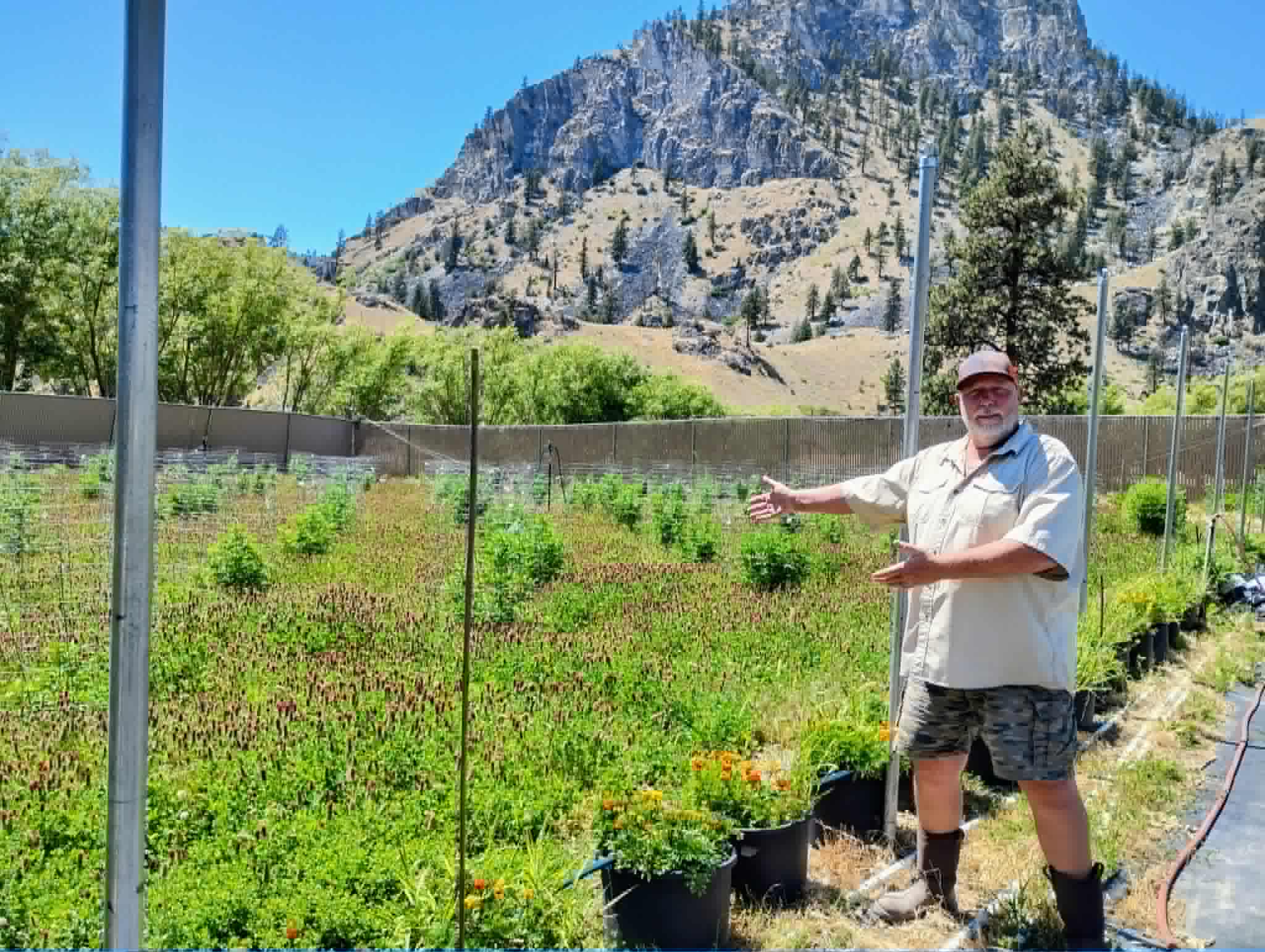
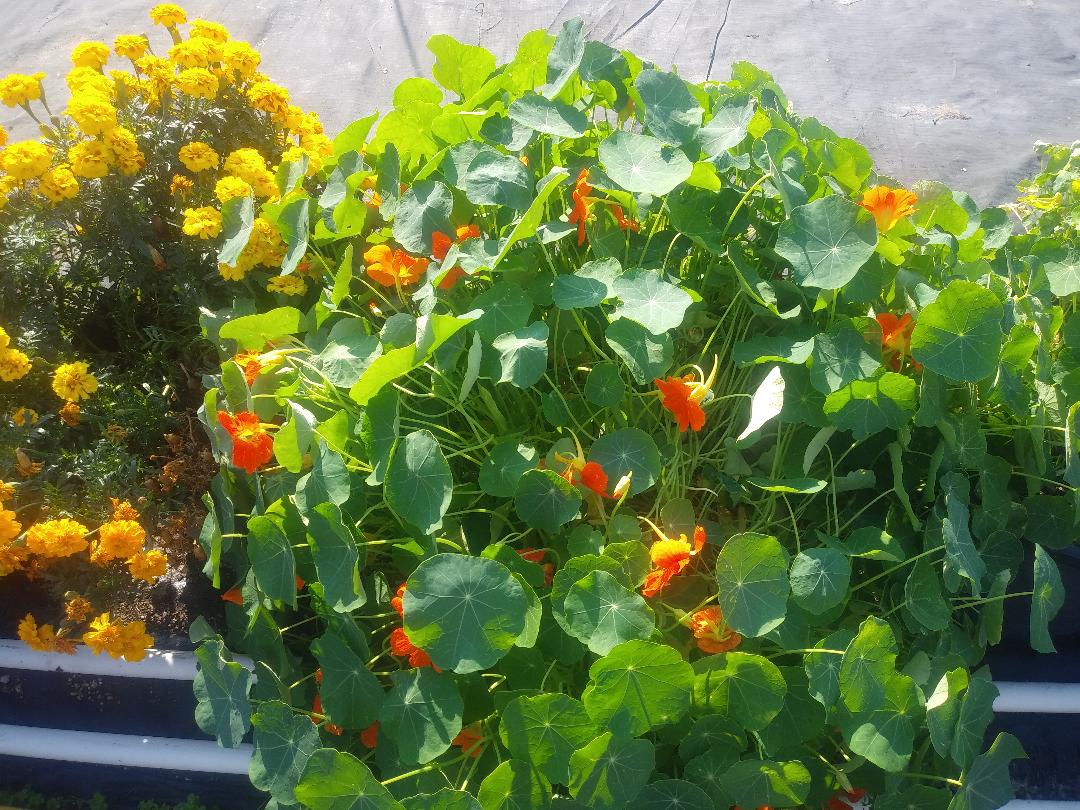
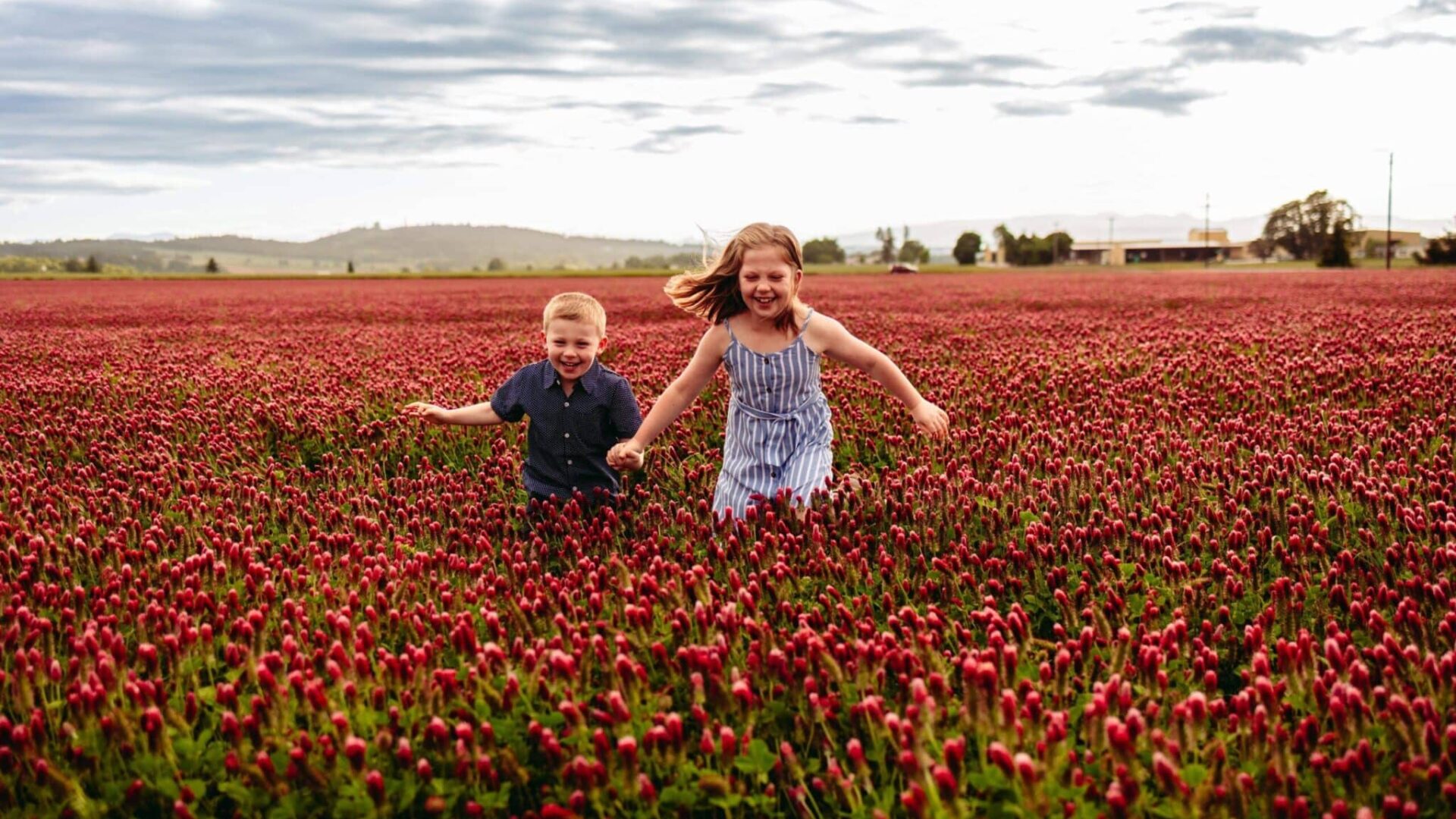
Established in 1993 Oberfelder 15.78 acre family farm in Lake Chelan is where we grow herbs, vegetables, berries, honeybees, chickens, cows, horses and cannabis since 2014. We grow using regenerative live soil using crimson clover for cover crop and companion plants such as marigolds, nasturtiums, and basil. Grown with love passion for sustainability using organic methods.
Our farm is surrounded by pasture, organic orchards and hiking trails. Oberfelder cannabis is harvested by experienced farmers and agricultural industry veterans using exclusively organic growing methods. We offer over 50 strains for recreational use.
Ground-Breaking News!
We're expanding!
Grown Using Organic Methods
- Grown in famed natural Eastern Washington loess glacial soil, with organic compost added.
- Sustainably grown
- No pesticides or chemicals
- Hand-harvested & processed
- Grown in natural sunlight
Tested for Potency and Safety
- Total cannabinoid content: 16-28% depending on the strain
- Delta 9 THCA 16-28%
- Less than 3% stem
- Negative results for
- Aerobic bacteria
- Yeast
- Mold
- Coliforms & e-coli
- BTGN bacteria
- Salmonella
- Superb for smoking; tested trim also available, great for making extracts and edibles.
- Now offering Kief made to order.
Why Use Natural Sunlight?

We’re needing to draw the distinction between indoor and outdoor growing. Here’s one case where environmental sustainability goes along with economic sustainability. Sungrown has better aesthetics and greater appeal to the recreational consumer. There is a growing preference for organic, naturally grown, long-flowering sativas that are expensive for indoor growers to grow.
Chelan is an ideal place for growing marijuana with 320 days of sun per year. The other distinction that we like to make to consumers is that we can produce long-flowering sativas. The indoor market has shifted towards indicas, which I think was a great fit for medical markets where people are looking for pain relief and to sleep.
I look at indoor weed and I call it ‘loud weed’. The reason is it was harvested prematurely because of those power bills adding up, and you’ve got to get the next crop in, so it’s always got very bright white crystals, not very many amber crystals at all. It’s very green because the chlorophyll has not had a chance to break down, and it smells great, but that is because the terpenes have not been volatized in the curing process. Indoor hits you hard, causes tickling of the throat and numbing of the tongue.
Indoor provides an inferior therapeutic and recreational experience. The recreational user is a different user. They tend to be professional, they tend to be active, and they want sativas. The one thing we know about sativas is they generally take longer to flower. That’s going to affect the bottom line of an indoor grower and they’ve moved toward very quickly flowering plants.
1 percent of the nation’s power is being used to grow marijuana as of 2022. That’s enough to power a city of 2 or 3 million homes. In terms of carbon, it’s equal to having 3 million cars on the road. Smoking a single indoor-grown joint is like driving a car 44 miles or leaving a 100 watt lightbulb on for 25 hours. It takes a lot of energy to replicate the sun.
We employ a lot of technique to grow the highest quality marijuana that you can get earlier when you’re taking advantage of the high angle of the sun and the better sun spectrum for growing.
We are seeking like-minded people to help us diversify, expand, and continue to practice sustainability and are also seeking strategic partners and investors in this blossoming industry.
—Jeff Oberfelder